
Coastal Water Damage Experts
Fire & Smoke Damage Restoration Services in Palm Harbor, FL
Professional smoke & fire damage restoration in Palm Harbor, FL. Soot removal, smoke odor elimination, structural repairs, and content restoration. Available 24/7.
Understanding the Effects of Fire Damage
Call (727) 558-4584 for Emergency Fire Damage Response
Most people think fire damage means burned materials. The reality is more complex. A kitchen fire that’s extinguished in 10 minutes can leave smoke damage throughout your entire home. Soot penetrates fabrics, walls, and ductwork. Smoke odors embed in porous materials and linger for months without professional treatment. Even small fires require extensive cleanup to make properties safe and livable.
Fire damage restoration isn’t just cleaning, it’s a specialized process that addresses thermal damage, smoke residue, chemical reactions, and water damage from firefighting efforts.
The Three Types of Fire Damage
Heat and Flame Damage (What You Can See)
Direct flame contact burns and chars materials:
- Structural wood components
- Drywall and ceiling materials
- Flooring and cabinets
- Contents and furnishings
- Roof decking and framing
Heat damage extends beyond visible charring. Materials near fires experience thermal degradation—weakening without visible burning. Wood studs near fire may look fine but have lost structural integrity. We test all materials in fire zones, not just visibly damaged ones.
Smoke Damage (The Hidden Problem)
Smoke spreads quickly through air currents, entering walls, HVAC systems, attics, basements, and storage areas. It leaves acidic residue that continues damaging metal, paint, and fabrics. Without fast removal, smoke damage worsens long after the fire is out.
Water Damage (The Consequence)
Firefighting uses large volumes of water that soak floors, walls, and structural cavities. This water often contains ash and chemicals. Left untreated, it causes severe damage. Professional extraction and drying are essential parts of complete fire restoration.
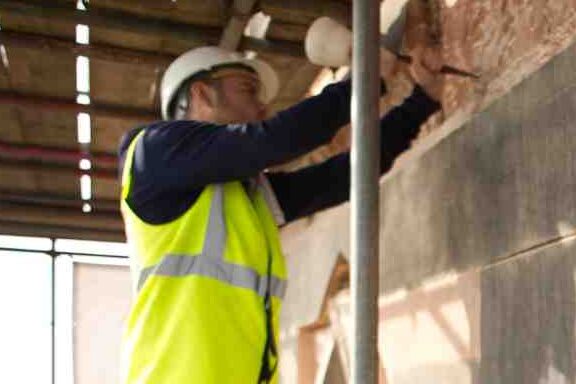
Our Fire Damage Restoration Process
Phase 1: Emergency Response and Property Securing (Hours 0-24)
Immediate Actions Upon Arrival:
Property Security
- Board up burned openings (windows, doors, roof breaches)
- Install temporary fencing if structure is unsafe
- Coordinate with fire department for access clearance
- Secure valuables and important documents
Water Extraction
- Remove standing water from firefighting efforts
- Extract water from carpets and padding
- Begin structural drying to prevent mold growth
- Document water damage for insurance
Temporary Weatherproofing
- Tarp damaged roof sections
- Cover broken windows
- Seal openings against weather and animals
- Install temporary power if safe and needed
Initial Assessment
- Document all fire, smoke, and water damage with photos/video
- Create preliminary scope of damage
- Identify immediate safety hazards
- Begin insurance notification process
Phase 2: Detailed Damage Assessment (Days 1-3)
Structural Evaluation We inspect all structural components:
- Roof trusses and framing (heat can weaken without visible burning)
- Floor joists and beams
- Wall studs and headers
- Foundation (thermal shock from water on hot surfaces can crack concrete)
An engineer evaluates structural integrity for significant fires. We don’t assume materials are safe based on appearance.
Smoke Migration Mapping Using thermal imaging and visual inspection, we map smoke travel:
- Heavy smoke damage (near fire origin)
- Moderate smoke damage (adjacent rooms, HVAC distribution)
- Light smoke damage (distant rooms, smoke infiltration)
This mapping determines cleaning methods and material replacement needs.
Content Assessment We categorize every item:
- Restorable on-site: Can be cleaned in place
- Restorable off-site: Requires specialized cleaning facility
- Non-restorable: Too damaged to salvage
- Requires evaluation: Professional appraisal needed (antiques, art, jewelry)
HVAC System Inspection Fire smoke infiltrates ductwork. We inspect:
- Air handler components
- Entire duct system
- Returns and supply vents
- Filter condition and smoke contamination
Contaminated HVAC systems distribute smoke residue every time they operate. Cleaning or replacement is essential.
Phase 3: Debris Removal and Demolition (Days 3-7)
Controlled Demolition We remove materials damaged beyond restoration:
- Charred framing and structural components
- Burned drywall and insulation
- Fire-damaged flooring
- Contaminated cabinets and built-ins
- Contents deemed non-restorable
All debris is:
- Separated by type for proper disposal
- Documented with photos (insurance requirement)
- Hauled immediately (prevents odor and pest problems)
- Disposed of according to environmental regulations
Structural Cleaning After demolition, we clean exposed framing:
- Remove soot and ash from all surfaces
- Clean with specialized fire restoration chemicals
- HEPA vacuum all surfaces
- Apply odor sealants to prevent continued off-gassing
Phase 4: Soot and Smoke Residue Removal (Days 5-10)
Soot removal is chemistry, not just cleaning. Different fire types create different residue requiring specific cleaning methods.
Dry Smoke Residue (Fast-Burning, High-Temperature Fires) Paper, wood fires produce fine, powdery soot that:
- Easily smears when wet
- Penetrates porous materials deeply
- Requires dry cleaning methods first, then wet cleaning
We use dry chemical sponges and HEPA vacuuming before any liquid cleaners.
Wet Smoke Residue (Slow-Burning, Low-Temperature Fires) Plastic, rubber fires produce thick, sticky soot that:
- Smears easily
- Has strong odor
- Requires petroleum-based solvents for removal
Standard cleaning solutions spread wet smoke rather than removing it. We use specialized degreasers.
Protein Residue (Kitchen Fires) Organic material fires leave nearly invisible residue that:
- Discolors varnished surfaces
- Creates strong odors when heated
- Requires enzymatic cleaners
Many people miss protein residue because it’s not visually obvious until surfaces heat up and odors return.
Cleaning Process by Material:
Walls and Ceilings
- HEPA vacuum loose soot
- Clean with appropriate chemical for smoke type
- Rinse with clean water
- Apply odor-blocking primer before painting
- Repaint with two coats
Hard Surfaces (Counters, Fixtures, Appliances)
- Disassemble when possible (remove range hood filters, appliance panels)
- Clean with degreasers or solvents appropriate to smoke type
- Polish metal surfaces (smoke acids cause corrosion)
- Reassemble and test functionality
Ductwork and HVAC
- Remove and dispose of all filters
- Seal registers and returns
- Clean from inside air handler through entire system
- Sanitize with antimicrobial fogging
- Install high-quality filters after cleaning
Phase 5: Odor Removal (Ongoing Throughout Restoration)
Smoke odor removal requires multiple approaches. No single method eliminates all odors.
Source Removal The most effective odor elimination is removing contaminated materials:
- Burned contents and structural materials
- Smoke-saturated insulation
- Heavily contaminated carpets and padding
Thermal Fogging We use specialized fogging equipment that:
- Heats deodorizing solution to create fine vapor
- Vapor penetrates the same spaces smoke penetrated
- Neutralizes odor molecules chemically
- Requires vacant property (vapor is temporary irritant)
Thermal fogging is highly effective but temporary occupants must stay elsewhere during treatment.
Ozone Treatment Ozone generators create O3 (ozone) molecules that:
- Oxidize odor-causing compounds
- Penetrate porous materials deeply
- Work continuously over 24-48 hour periods
- Require vacant property (ozone is respiratory irritant)
Ozone treatment is controversial, effective for odors but harsh on materials and occupants can’t be present. We use it selectively for severe cases.
Hydroxyl Generation Newer technology that:
- Produces hydroxyl radicals (naturally occurring in atmosphere)
- Breaks down odor molecules
- Safe for occupied spaces
- Works continuously over several days
Less aggressive than ozone but slower. Good for final odor polishing after other methods.
Odor Sealing After cleaning, we seal surfaces to encapsulate remaining odors:
- Shellac-based primers on wood surfaces
- Specialty odor-blocking paints on drywall
- Sealants on concrete and masonry
- Encapsulation of ductwork if cleaning doesn’t eliminate odors
Phase 6: Content Restoration (Days 7-21)
On-Site Content Cleaning Hard, non-porous items cleaned at property:
- Furniture (wood, metal, plastic)
- Dishes and cookware
- Books and paper goods (if not heavily damaged)
- Decorative items
Off-Site Content Restoration Specialized facilities handle:
- Electronics (computers, TVs, appliances)
- Upholstered furniture
- Clothing and textiles
- Documents and photos
- Art and collectibles
Contents are packed, inventoried, transported to restoration facilities, cleaned using specialized processes (ultrasonic cleaning, freeze-drying, etc.), and returned when property is ready.
Content Storage During reconstruction, we can:
- Store cleaned contents in climate-controlled facility
- Provide inventory management
- Coordinate with insurance for storage coverage
- Deliver contents back when property is ready
Phase 7: Reconstruction (Weeks 3-8+)
After cleaning, we rebuild damaged areas:
- Replace structural framing
- Install new drywall and insulation
- Replace flooring
- Install new cabinets and trim
- Complete electrical and plumbing repairs
- Paint and finish work
Reconstruction timeline depends on damage extent. Kitchen fires might need 3-4 weeks; whole-house fires can take 2-3 months.
Types of Fires We Restore
Kitchen Fires (Most Common)
Common Causes:
- Unattended cooking (especially frying)
- Grease fires
- Appliance malfunctions
- Flammable materials near stovetops
Typical Damage:
- Heavy damage to kitchen
- Smoke damage throughout home via HVAC
- Grease residue on cabinets and surfaces
- Melted appliances and fixtures
Restoration Focus:
- Complete kitchen demolition often required
- Extensive HVAC cleaning
- Odor removal throughout home
- Cabinet replacement
Electrical Fires
Common Causes:
- Outdated wiring (especially in older Palm Harbor homes)
- Overloaded circuits
- Faulty appliances
- Aluminum wiring issues
Typical Damage:
- Fire starts inside walls (harder to detect/extinguish)
- Damage to electrical system throughout home
- Smoke infiltration through wall cavities
- Potential multiple fire locations if wiring fault affects several areas
Restoration Focus:
- Complete electrical system evaluation
- Code-compliant rewiring
- Wall cavity cleaning
- Extensive smoke damage treatment
Dryer Fires
Common Causes:
- Lint accumulation in vent lines
- Blocked exhaust vents
- Mechanical failure
Typical Damage:
- Laundry room destruction
- Smoke damage to surrounding areas
- Vent system contamination
- Potential wall cavity fire spread
Restoration Focus:
- Laundry room reconstruction
- Vent cleaning or replacement
- Wall cavity inspection and cleaning
- Dryer vent relocation if configuration contributed to fire
HVAC System Fires
Common Causes:
- Dirty filters restricting airflow
- Motor failure
- Electrical shorts
- Lack of maintenance
Typical Damage:
- Air handler destruction
- Smoke distribution through ductwork to entire home
- Attic or mechanical closet damage
- Potential ceiling collapse from water damage
Restoration Focus:
- Complete HVAC replacement
- Entire duct system cleaning or replacement
- Extensive smoke damage treatment in all rooms
- Attic restoration if applicable
Lightning Strike Fires
Common in Florida: Florida leads the nation in lightning strikes. Direct strikes can:
- Start fires in attics or roofs
- Damage electrical systems
- Cause fires along wiring pathways
- Explode water heaters or HVAC systems
Typical Damage:
- Multiple fire locations
- Severe electrical damage
- Appliance destruction
- Structural damage to entry points
Restoration Focus:
- Complete electrical system replacement
- Roof and attic restoration
- Appliance replacement
- Surge protection installation
Fire Damage Costs in Palm Harbor in 2026
Cost Factors
Fire Size and Intensity
- Small kitchen fire (contained to one room): $10,000-$30,000
- Moderate fire (multiple rooms): $30,000-$100,000
- Major fire (whole house): $100,000-$300,000+
- Total loss: Rebuild costs ($150-250 per square foot)
Smoke Damage Extent Smoke damage often exceeds fire damage costs:
- Light smoke (one floor): $5,000-$15,000
- Moderate smoke (whole house): $15,000-$40,000
- Heavy smoke with duct contamination: $40,000-$80,000
Water Damage from Firefighting
- Minor water damage: $3,000-$8,000
- Moderate water damage: $8,000-$20,000
- Major water damage (multiple floors): $20,000-$50,000
Content Restoration
- Professional cleaning: $50-200 per item
- Electronics restoration: $200-2,000 per item
- Upholstery cleaning: $100-400 per piece
- Document restoration: $2-10 per page
Insurance Coverage
Homeowner policies typically cover:
- Fire damage (covered peril)
- Smoke damage resulting from fire
- Water damage from firefighting
- Debris removal
- Temporary living expenses during restoration
- Content restoration or replacement
Most policies provide replacement cost coverage for dwelling and actual cash value or replacement cost for contents depending on coverage selected.
Working with Insurance After Fire Loss
Immediate Steps
- Contact your insurance company within 24 hours
- Secure the property to prevent additional damage
- Document everything with photos/video
- Keep receipts for all emergency expenses
- Don’t dispose of damaged items until adjuster authorizes
What Insurance Covers
Dwelling Coverage:
- Fire and smoke damage repairs
- Structural reconstruction
- Built-in fixtures and systems
Personal Property Coverage:
- Contents damaged by fire, smoke, or firefighting water
- Typically covers replacement cost or actual cash value
Additional Living Expenses (ALE):
- Hotel/rental costs while home is uninhabitable
- Increased food costs (restaurant meals vs. home cooking)
- Storage costs for undamaged contents
- Pet boarding if needed
Debris Removal:
- Usually covered up to 5% of dwelling coverage
- Additional coverage available if needed
Why Choose Coastal Restorations for Fire Damage
24/7 Emergency Response
Fire doesn’t wait for business hours. We respond immediately:
- Emergency board-up within hours
- Water extraction to prevent mold
- Property securing and weatherproofing
- Immediate assessment and planning
Complete Restoration Service
From emergency response through reconstruction:
- Fire damage cleanup
- Smoke odor removal
- Water damage restoration
- Content cleaning and storage
- Complete property reconstruction
- Insurance coordination
Licensed and Certified
- General contractor license (handles full reconstruction)
- IICRC Fire & Smoke Restoration certification
- Water damage restoration certification
- $2 million liability insurance
- Workers’ compensation coverage
Insurance Expertise
We work with every major insurance carrier:
- Detailed documentation they require
- Xactimate estimating software (same as adjusters use)
- Supplement handling for additional findings
- Direct billing when possible
Frequently Asked Questions About Fire Damage
How long does fire restoration take?
- Small fires (single room): 2-4 weeks
- Moderate fires (multiple rooms): 4-8 weeks
- Major fires (whole house): 2-4 months
- Total loss rebuild: 6-12 months
Can smoke-damaged items be saved?
Many can. Hard surfaces clean well. Porous items (fabrics, upholstery) are more challenging. Professional content restoration saves 60-80% of smoke-damaged items through specialized cleaning.
Will my home ever smell normal again?
Yes, with proper restoration. Complete source removal (burned materials), thorough cleaning, odor sealing, and deodorization eliminate smoke odors. Incomplete restoration leaves lingering odors.
Should I hire a public adjuster?
For major fires, consider it. Public adjusters work for you (not insurance company), handle all claim details, and typically recover 20-40% more in claim settlements. They charge 10-15% of settlement.
Can I stay in my home during restoration?
Rarely. Fire-damaged homes aren’t safe to occupy:
- Structural hazards
- Air quality issues (soot, cleaning chemicals, deodorizers)
- No utilities (often disconnected for safety)
- Construction activities
Your insurance covers temporary housing (hotels, rentals) until restoration completes.
What if my house is a total loss?
Insurance pays to rebuild to pre-loss condition. You’ll work with:
- Insurance company on settlement
- Restoration contractor on demolition
- Architect/designer on rebuild plans
- General contractor on reconstruction
Total loss claims often take 8-12 months from fire to move-in.
Preventing House Fires in Palm Harbor
Kitchen Fire Prevention
- Never leave cooking unattended
- Keep flammables away from stovetops
- Clean grease buildup regularly
- Have fire extinguisher in kitchen
- Install stove auto-shutoff devices
Electrical Fire Prevention
- Replace old wiring (especially aluminum wiring common in 1960s-70s homes)
- Don’t overload circuits
- Use surge protectors
- Replace damaged cords immediately
- Have electrical inspection every 10 years
Dryer Fire Prevention
- Clean lint trap before every load
- Clean vent line annually
- Use metal vent pipes (not plastic)
- Don’t overload dryer
- Replace if making unusual noises
Smoke Detector Maintenance
- Install in every bedroom and hallway
- Test monthly
- Replace batteries annually
- Replace entire units every 10 years
- Consider interconnected alarms (one triggers all)
Contact Coastal Restorations for Fire Damage Restoration
After a fire, every hour counts. Smoke and soot continue damaging your property. Call now for immediate fire damage restoration services. moisture source correction prevents mold return. If mold returns, either the moisture source wasn’t fully addressed or new moisture issues have developed.
Response Time: Emergency services within 2-4 hours, day or night
Service Area: Palm Harbor, Tarpon Springs, Dunedin, Clearwater, Safety Harbor, East Lake, Crystal Beach, Oldsmar, Ozona, Trinity, and all of Pinellas County