
Coastal Water Damage Experts
Mold Remediation Services in Palm Harbor, FL
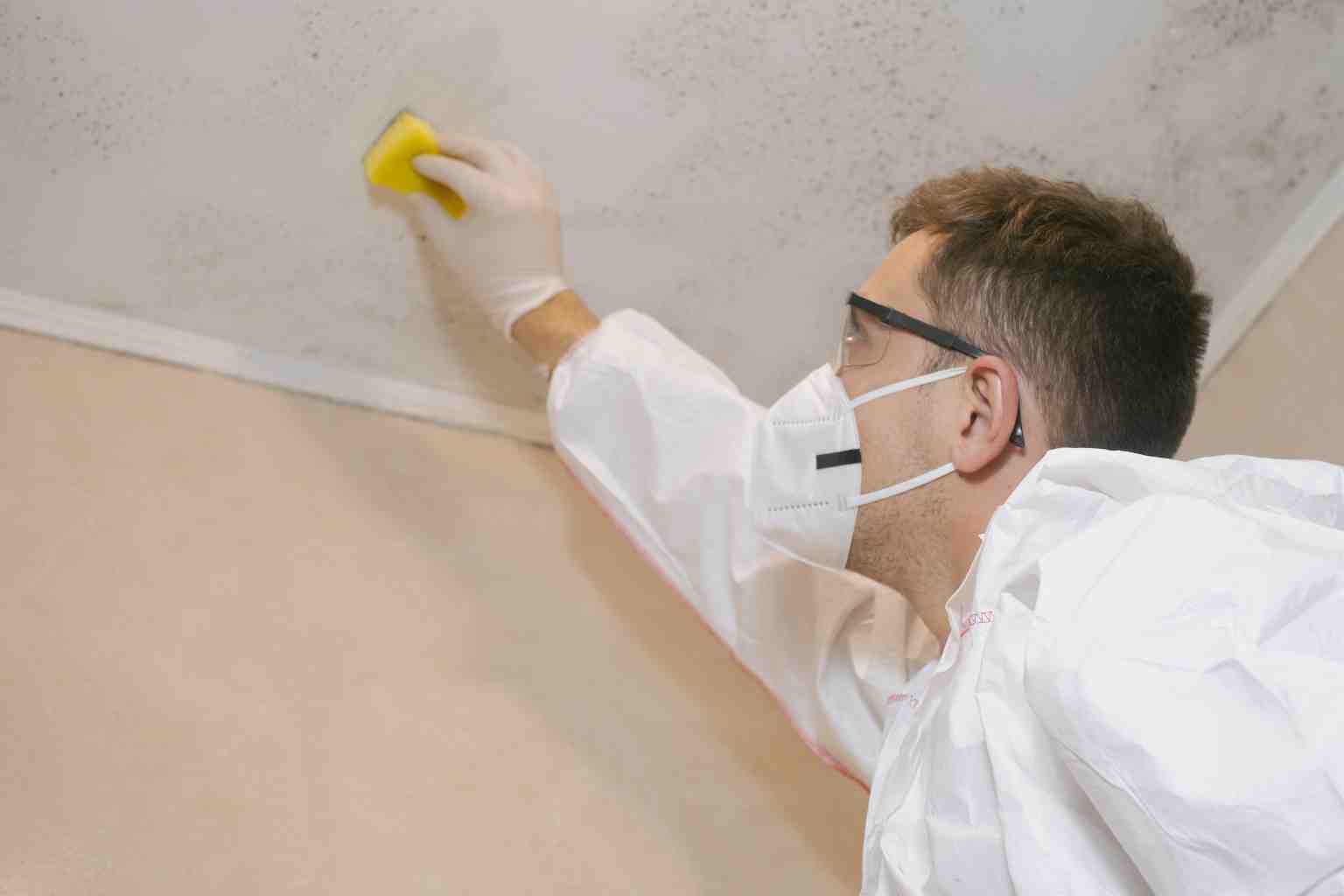
Are you noticing mold growth, musty odors, or moisture problems in your home, basement, or crawl space due to flooding, leaks, or storm damage? When excess moisture lingers, mold can begin growing within 24–48 hours, posing serious health risks and causing structural damage. Fast, professional mold remediation is critical to stop the spread and restore a safe indoor environment. Don’t wait, expert Coastal Restorations is here to help.
Why Mold Is a Serious Problem in Palm Harbor
Call (727) 558-4584 for Professional Mold Remediation Services
Florida’s climate creates ideal mold growing conditions year-round. Palm Harbor’s average humidity stays between 75-85%, temperatures range from 65-90°F, and homes see moisture intrusion from thunderstorms, AC condensation, and occasional flooding. These factors combine to make mold growth not a matter of “if” but “when” after any water event.
Mold isn’t just unsightly, it damages building materials, creates health issues for occupants, and significantly reduces property values. Florida law treats mold seriously, requiring licensed professionals for remediation projects over 10 square feet.
What Mold Needs to Grow
Mold requires four things:
- Moisture (above 60% relative humidity or direct water contact)
- Organic food source (wood, drywall paper, insulation, dust)
- Appropriate temperature (40-100°F—basically all the time in Florida)
- Time (spores begin germinating in 24-48 hours under ideal conditions)
Your home provides three of these constantly. Control moisture, and you prevent mold. Lose moisture control, and mold growth is inevitable.
The 24-48 Hour Window
Mold spores exist everywhere—in outdoor air, on surfaces, floating invisibly throughout your home. They’re harmless while dormant. But when they land on wet materials, germination begins within 24 hours. Visible colonies form within 48-72 hours. By day five, mold has penetrated deep into porous materials.
This timeline means water damage requires immediate response. Wait three days to call a restoration company, and you’ve moved from a water damage project to a water damage plus mold remediation project—doubling or tripling costs.
Common Mold Types in Palm Harbor Homes
Aspergillus The most common indoor mold. Appears black, green, or gray. Grows on dust, paper products, and fabrics. Some species produce mycotoxins that cause respiratory irritation.
Cladosporium Appears brown or olive-green. Grows in cooler areas like AC ducts and on window sills. Generally less toxic than other types but still causes allergic reactions.
Stachybotrys (Black Mold) The infamous “toxic black mold.” Appears dark green or black with a slimy texture when wet. Grows on materials with high cellulose content (drywall paper, ceiling tiles). Produces mycotoxins linked to serious health effects.
Penicillium Blue or green appearance. Common in water-damaged materials and often found in insulation, wallpaper, and carpets. Spreads rapidly across surfaces.
Florida’s Mold Remediation Laws
Licensing Requirements
Florida Statute 468 Part XVII requires:
- Projects under 10 square feet: No license required (homeowner can DIY)
- Projects 10+ square feet: Must use Florida licensed mold remediator
- Mold assessment: Must be performed by licensed mold assessor
We hold both licenses, mold assessor and mold remediator. This allows us to provide complete service from inspection through remediation.
Why Licensing Matters
Licensed remediators must:
- Carry $1 million liability insurance
- Complete continuing education on current remediation standards
- Follow Florida Department of Business and Professional Regulation (DBPR) guidelines
- Use only EPA-registered antimicrobials
- Maintain records for seven years
Unlicensed contractors can’t legally perform mold remediation over 10 square feet in Florida. Using unlicensed contractors voids insurance coverage and creates liability issues.
Common Mold Situations in Palm Harbor Homes
Attic Mold from Roof Leaks or Ventilation Issues
Palm Harbor’s older homes often have inadequate attic ventilation. In summer, attic temperatures reach 130-150°F. When air conditioning cools the home, temperature differences create condensation on attic insulation and roof decking. Combined with any minor roof leaks, this creates extensive mold growth.
Signs of Attic Mold:
- Musty odors throughout upstairs rooms
- Dark staining on ceiling drywall
- Visible mold on attic decking or rafters
- High humidity readings in upper floors
Our Solution:
- Remove contaminated insulation
- Clean or replace contaminated decking
- Treat all framing with antimicrobial
- Repair roof leaks
- Improve ventilation (add ridge vents, soffit vents, or powered vents)
- Install vapor barriers if needed
- Replace insulation with proper baffles for airflow
AC System Mold
Florida homes run AC 8-10 months per year. AC systems naturally produce condensation. If drain lines clog or drip pans overflow, water accumulates in:
- Ductwork near air handlers
- Ceiling cavities where units are located
- Wall cavities around supply and return vents
Signs of AC Mold:
- Musty smell when AC runs
- Visible mold around vents
- Water stains on ceilings near air handlers
- Allergic symptoms that worsen when AC operates
Our Solution:
- Camera inspection of ductwork
- Clean or replace contaminated ducts
- Service AC system (clean coils, clear drain lines)
- Install pan overflow switches (shuts down AC if drain clogs)
- Treat air handler and immediate ductwork with antimicrobial
- Consider UV light installation in air handler (kills mold spores continuously)
Bathroom Mold from Poor Ventilation
Bathrooms generate huge amounts of moisture. Showers can spike humidity to 95%+ for 30-60 minutes daily. Without proper ventilation, this moisture condenses on walls, ceilings, and inside wall cavities.
Signs of Bathroom Mold:
- Visible mold on grout, caulk, or ceiling
- Peeling paint or wallpaper
- Musty odors
- Moisture on walls hours after showering
Our Solution:
- Remove surface mold with appropriate cleaning
- Check inside wall cavities for hidden mold (using moisture meters)
- Install or upgrade exhaust fans (minimum 50 CFM for standard bathrooms)
- Re-caulk tubs and showers
- Apply mildew-resistant paint
- Install humidity-sensing fan switches (automatic operation)
Post-Water Damage Mold
This is the most serious scenario: mold growth after flooding, burst pipes, or storm damage where water wasn’t properly dried.
When This Occurs:
- Water damage wasn’t addressed within 48 hours
- Drying was incomplete (equipment removed too early)
- Hidden moisture wasn’t found (behind walls, under flooring)
Our Solution:
- Complete moisture mapping to find all affected areas
- Remove all contaminated materials (often extensive)
- Dry remaining structural components thoroughly
- Antimicrobial treatment
- Complete reconstruction once clearance testing passes
Health Effects of Mold Exposure
Allergic Reactions (Most Common)
People sensitive to mold experience:
- Nasal congestion and runny nose
- Sneezing and coughing
- Itchy, watery eyes
- Skin rashes
- Throat irritation
These symptoms often worsen indoors and improve when away from the moldy environment.
Asthma Complications
Mold is a known asthma trigger. Exposure can cause:
- Increased asthma attack frequency
- Difficulty breathing
- Chest tightness
- Wheezing
Children and elderly are particularly vulnerable. Prolonged exposure in moldy homes often leads to new asthma diagnoses in previously healthy individuals.
Infections (Immunocompromised Individuals)
People with weakened immune systems—chemotherapy patients, HIV/AIDS patients, organ transplant recipients—face risk of mold infections, particularly from Aspergillus species. These infections can be life-threatening.
Toxic Effects (Controversial but Documented)
“Toxic mold” refers to species that produce mycotoxins—toxic compounds released as mold grows. Stachybotrys chartarum (black mold) is the most discussed. Documented effects include:
- Chronic fatigue
- Headaches
- Memory and concentration problems
- Respiratory issues
The medical community debates the extent of mycotoxin effects from indoor exposure, but prudent approach is remediation regardless of health debates.
2026 Mold Remediation Costs in Palm Harbor
Factors Affecting Cost
Size of Affected Area
- Under 10 sq ft: $500-$1,500 (often DIY legal)
- 10-100 sq ft: $1,500-$4,000
- 100-500 sq ft: $4,000-$10,000
- 500+ sq ft or whole-house: $10,000-$30,000+
Location of Mold
- Surface mold (walls, ceilings): Less expensive
- Hidden mold (inside walls, under flooring): Requires demolition, increasing costs
- Attic mold: Access and safety equipment increase labor costs
- Crawl space mold: Difficult access, specialized equipment needed
Type of Materials Affected
- Drywall and insulation: Moderate cost (materials inexpensive)
- Hardwood floors: High cost (materials expensive to replace)
- HVAC systems: High cost (cleaning or replacement expensive)
Extent of Contamination
- Isolated colonies: Quick remediation
- Widespread growth: Requires extensive containment and removal
What’s Included in Professional Remediation
- Complete inspection and testing
- Containment setup
- HEPA air filtration
- Removal of contaminated materials
- Antimicrobial treatment
- Disposal of contaminated materials
- Post-remediation verification testing
- Documentation and reports
Insurance Coverage
Mold coverage varies significantly by policy:
Usually Covered:
- Mold resulting from covered water damage (burst pipes, appliance failure)
- Immediate response and mitigation
Usually Not Covered:
- Mold from maintenance issues (long-term leaks you didn’t repair)
- Mold from flooding (requires separate flood insurance)
- Mold from humidity/condensation issues
Coverage Limits: Many policies cap mold coverage at $10,000-$25,000 even when the underlying cause is covered. Review your policy carefully.
Preventing Mold Growth in Palm Harbor’s Climate
Humidity Control
Whole-House Dehumidification Keep indoor humidity below 60% (ideally 40-50%). In summer, standard AC may not be enough. Consider:
- Standalone dehumidifiers (empty daily or run to drain)
- Whole-house dehumidification systems (integrate with HVAC)
- Monitor with hygrometers (inexpensive devices that measure humidity)
Bathroom and Kitchen Ventilation
- Run exhaust fans during showers and cooking
- Leave fans running 15-20 minutes after use
- Clean exhaust fan grilles monthly (dust reduces airflow)
- Verify fans exhaust outdoors, not into attics
Regular Inspections
Check These Areas Monthly:
- Under sinks for pipe leaks
- Around toilets for seal failures
- Behind washing machines
- AC drain pans and lines
- Attic for roof leak signs
- Crawl spaces for ground moisture
Seasonal Checks:
- Before hurricane season: roof inspection
- After hurricanes: check for any water intrusion
- Spring and fall: HVAC professional service
Moisture-Resistant Materials
If renovating or repairing:
- Use mold-resistant drywall (purple board or green board) in bathrooms and kitchens
- Install waterproof membrane behind tub/shower tile
- Use mildew-resistant caulk and grout
- Choose moisture-resistant insulation for high-risk areas
Immediate Water Damage Response
The best mold prevention is rapid water damage response:
- Extract water immediately
- Begin drying within 24 hours
- Complete drying within 48-72 hours
- Monitor moisture levels until materials are dry
Frequently Asked Questions About Mold Remediation
Can I just paint over mold?
No. Paint traps moisture against the surface and provides organic material mold feeds on. Mold will grow through paint within weeks. The surface must be cleaned, dried, and treated before painting.
Does bleach kill mold?
Bleach kills surface mold on non-porous materials but doesn’t penetrate porous materials like drywall or wood. It also doesn’t prevent regrowth. Professional antimicrobials are more effective and longer-lasting.
How do I know if mold is making me sick?
If symptoms (congestion, coughing, headaches) improve when you leave home and worsen when you return, mold may be the cause. Consult your doctor and have your home inspected.
Will homeowner’s insurance cover mold remediation?
It depends on the cause. Sudden water damage (burst pipe) usually covers resulting mold. Long-term leaks or maintenance issues typically aren’t covered. Flood-related mold requires flood insurance.
How long does mold remediation take?
- Small projects (one bathroom): 1-3 days
- Medium projects (multiple rooms): 3-7 days
- Large projects (whole-house): 1-3 weeks
Timeline includes containment, removal, treatment, verification testing, and clearance.
Do I need to leave my home during remediation?
For small, contained projects, usually no. For extensive remediation involving multiple rooms or toxic mold types, temporary relocation may be recommended, especially if occupants have health sensitivities.
Can mold come back after remediation?
Properly executed remediation with moisture source correction prevents mold return. If mold returns, either the moisture source wasn’t fully addressed or new moisture issues have developed.
Why Choose Coastal Restorations for Mold Remediation
Florida-Licensed Mold Professionals
We hold:
- Florida mold assessor license
- Florida mold remediator license
- General contractor license
- Workers’ compensation insurance
Independent Verification
We don’t grade our own work. Third-party clearance testing ensures you get unbiased confirmation that remediation succeeded.
Complete Service
From inspection through reconstruction, we handle every phase:
- Initial assessment and testing
- Remediation protocol development
- Complete remediation
- Moisture source correction
- Reconstruction of removed materials
- Final verification
Insurance Expertise
We work with insurance companies daily:
- Provide documentation they require
- Bill directly when possible
- Handle supplements for additional findings
- Advocate for proper coverage
Contact Coastal Restorations for Mold Remediation
Don’t ignore mold problems. They won’t resolve on their own and will only get worse. Call now for professional mold remediation from Florida-licensed specialists.
Free Mold Inspections: Call to schedule
Service Area: Palm Harbor, Tarpon Springs, Dunedin, Clearwater, Safety Harbor, East Lake, Crystal Beach, Oldsmar, Ozona, Trinity, and all of Pinellas County